Plants that mine metal from the ground up
Some plants do more than tolerate metal in the soil: they draw it into their living tissue at extraordinary concentrations. This site is a vendor-neutral scientific reference for those species. Browse eleven elements, trace every figure to a published source, and follow the botanical frontiers of phytoremediation and agromining.
Browse by metal
Counts are derived live from the database. How records are verified →
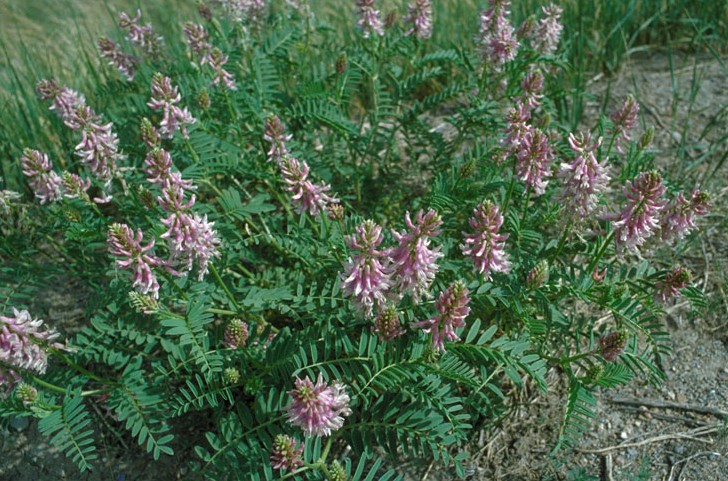
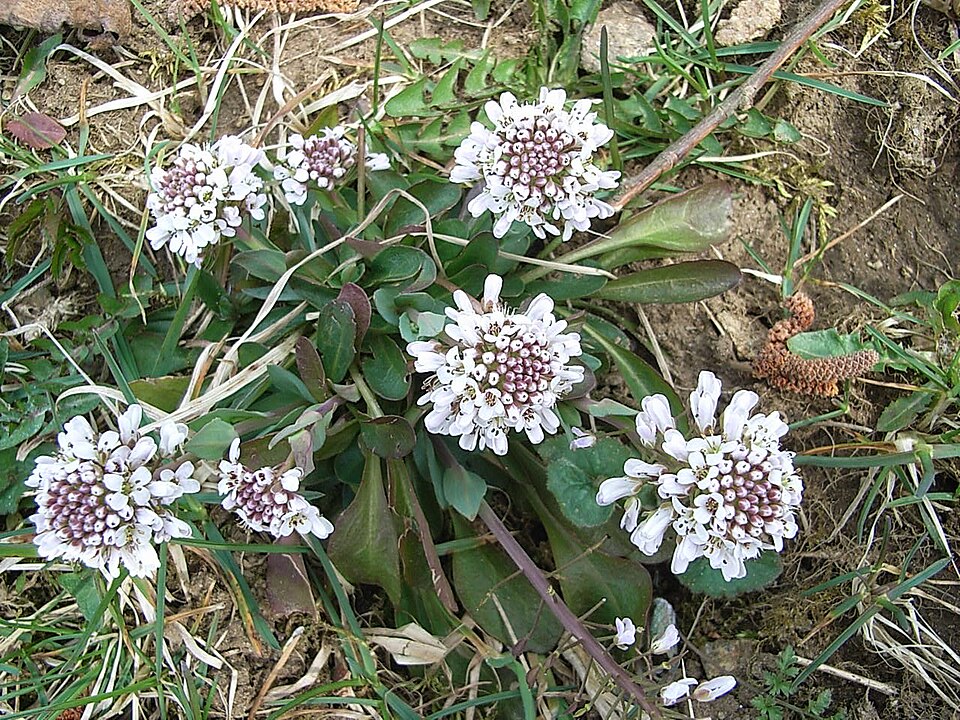
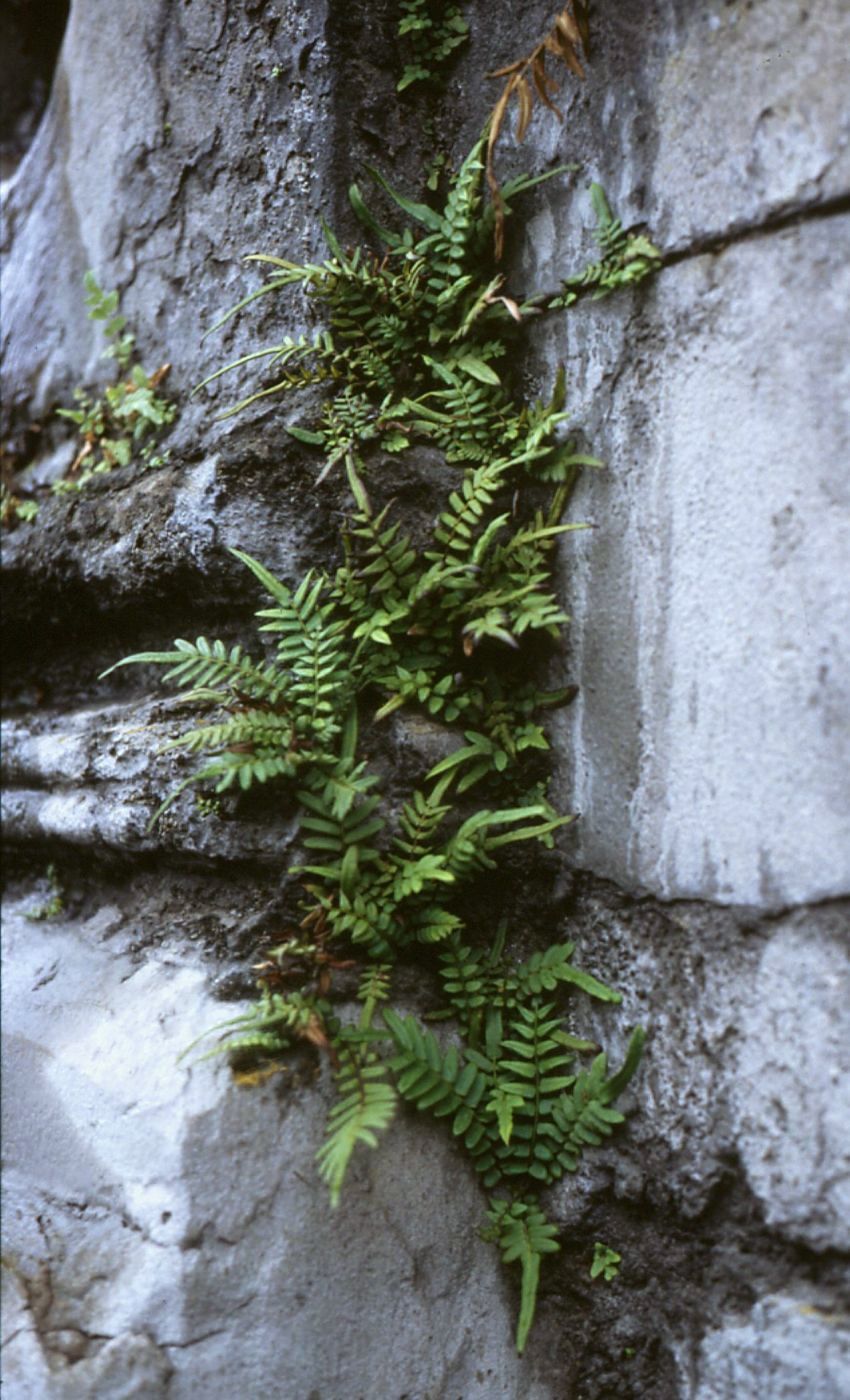
How a species earns its place
A plant counts as a hyperaccumulator only when its living above-ground tissue exceeds a defined, element-specific threshold: 1,000 µg g⁻¹ dry weight for nickel, just 100 for cadmium. Thresholds follow van der Ent et al. (2013). Every record here cites the source of its concentration and carries a verification level, so you can see exactly how firmly each figure is established.
From the field
Literature The Ni hyperaccumulator's rhizosphere runs on its boring microbes — in Odontarrhena chalcidica, genome-scale modelling predicts that abundant "potentiator" taxa, not network keystones, carry the broader function and feed the keystones September 20, 2026 Literature The mercury strategy of the arsenic hyperaccumulator is chemical lock-up, not vacuolar pumping — Pteris vittata stores Hg as β-HgS and glutathione complexes, and its 83 mg/kg shoots leave the hyperaccumulator label deliberately unproven September 19, 2026 Database Türkiye's nickel-hyperaccumulator map is mostly an evidence-quality map — a source audit of 66 published records finds only 12 can be pinned to source-supported coordinates, and 51 cannot be located more precisely than a region September 18, 2026Open, citable data
The full species table is available as structured data under CC BY 4.0, with attribution to the cited primary sources. Reuse it, cite it, build on it.